


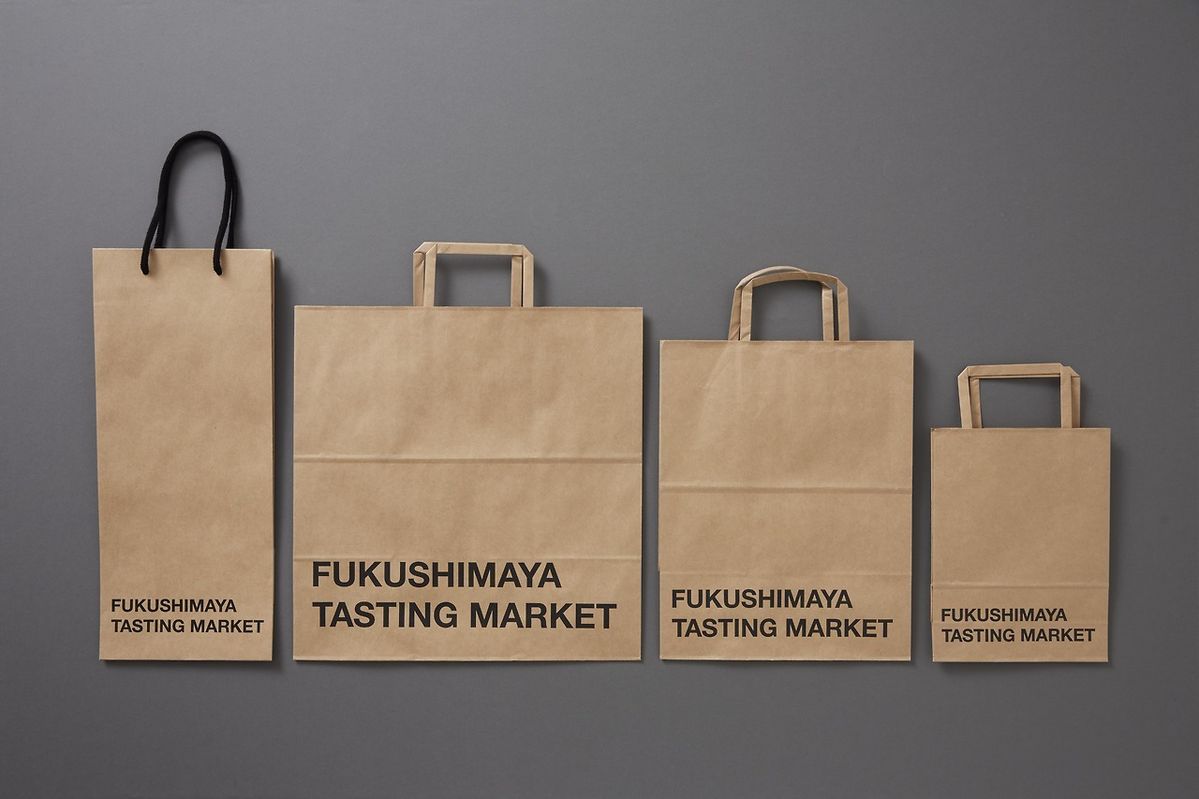
Across European retail floors, food service counters, e-commerce fulfilment centres and pharmacy shelves, kraft paper bags have quietly become the default sustainable packaging solution of the decade. Driven by stringent EU legislation, shifting consumer values, and powerful commercial economics, kraft is no longer the unassuming brown bag of the corner shop — it is the frontline material in Europe’s packaging transformation.
A Market Coming of Age
The global kraft paper bag market was valued at USD 4.81 billion in 2025 and is forecast to reach USD 7.58 billion by 2035, advancing at a CAGR of 4.65%. Europe represents a significant share of this growth, with Germany, France, Italy, the Netherlands, Spain and the Nordic nations driving the most active procurement.
As one Dutch supermarket procurement director explained: “The shift from plastic to paper was initially regulatory. But now it is cultural. Our customers expect paper. They trust it. They recycle it. Kraft has become part of our brand story.”
Why Kraft?
Kraft paper is produced through the kraft pulping process, yielding exceptional tear resistance, high tensile strength and natural biodegradability — uniquely suited to retail, foodservice and industrial packaging.
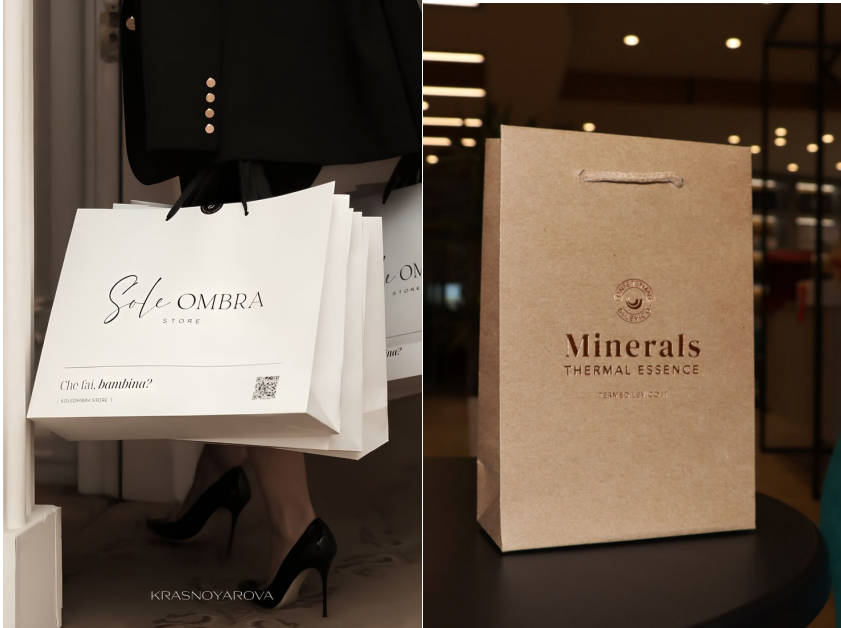
Brown (Natural) Kraft — Unbleached, retaining natural wood colour. No bleaching chemicals, lower processing impact. Dominant in food bags, bakery bags, takeaway and grocery carry bags. Highly recyclable and compostable.
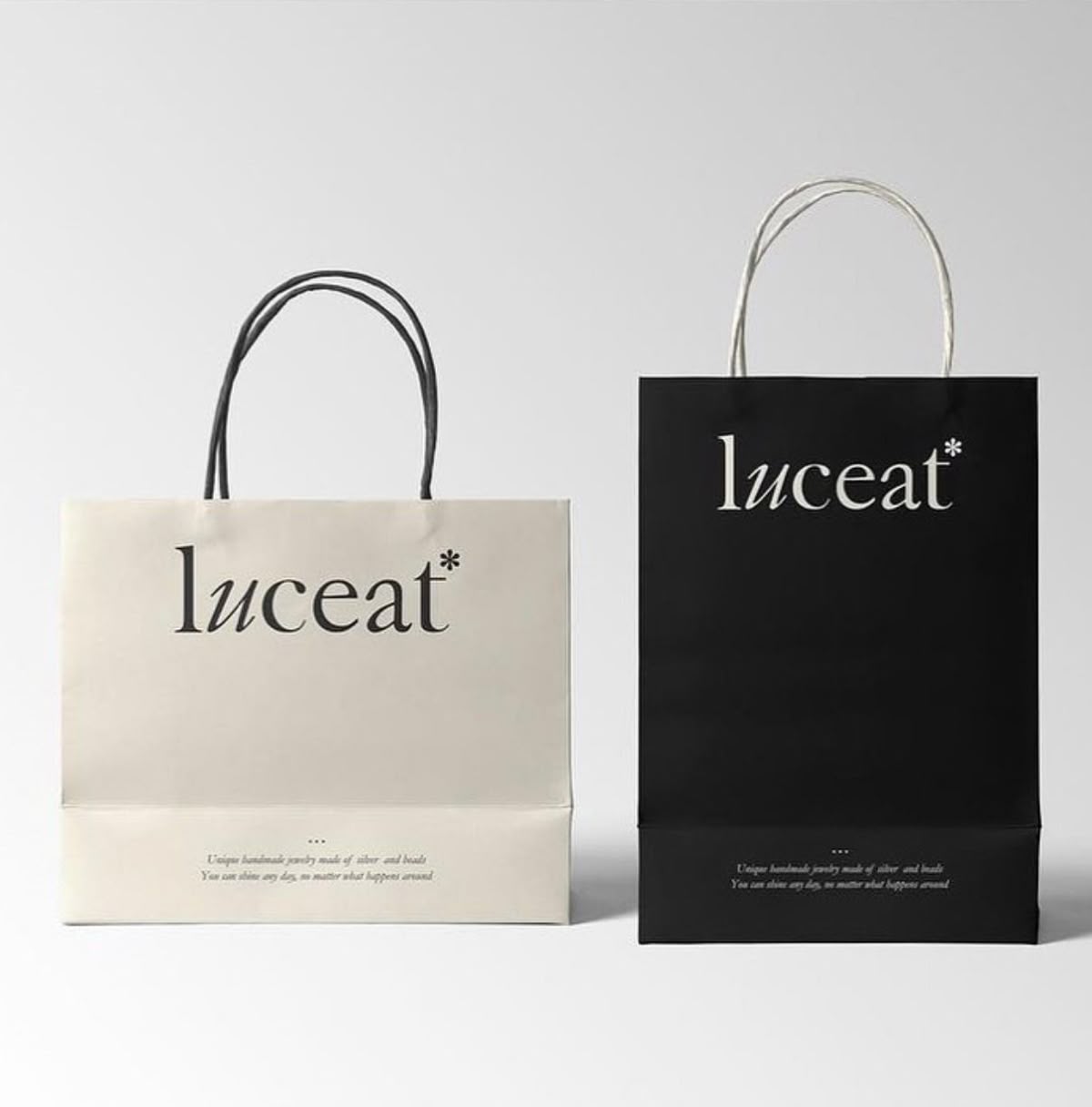
White Kraft — Bleached or coated for a clean, print-receptive surface. Growing rapidly in premium retail, cosmetics, wellness and fashion. Supports high-quality printing and is forecast to be the fastest-growing kraft bag segment through 2035.
Europe’s Regulatory Framework
EU Single-Use Plastics Directive (SUPD) — Implemented since 2021, banning plastic carrier bags below 15 microns across all 27 member states. Kraft carrier bags became the most widely adopted substitute.
EU Packaging and Packaging Waste Regulation (PPWR) — In its final legislative phase, introducing recyclability mandates by 2030, minimum recycled content thresholds, packaging minimisation requirements, and Extended Producer Responsibility (EPR) increasing financial responsibility for end-of-life packaging management.
National Measures — France fully bans single-use plastic bags since 2021. Germany’s lightweight plastic bag ban since 2022 led to a 35–50% increase in kraft bag procurement. The UK extended its 10p plastic bag charge to smaller retailers. Italy and Spain are implementing progressive bans, with kraft paper the primary beneficiary.
Where Kraft Paper Bags Are Winning
Food Retail & Grocery — The largest segment by volume. Key requirements include grease-resistant lining for direct food contact, wet-strength treated kraft for humid environments, and SOS (Self-Opening Satchel) bags with flat bases. Capacity ranges from 250g to 10kg, complying with EU food contact material regulations.
Foodservice & QSR — Rapidly growing due to delivery culture and sustainable brand commitments. Buyers need high-volume, short-lead-time procurement, custom flexo printing for brand differentiation, and compostable options certified to EN 13432. Handle types include twisted paper, flat tape and die-cut hand-holes.
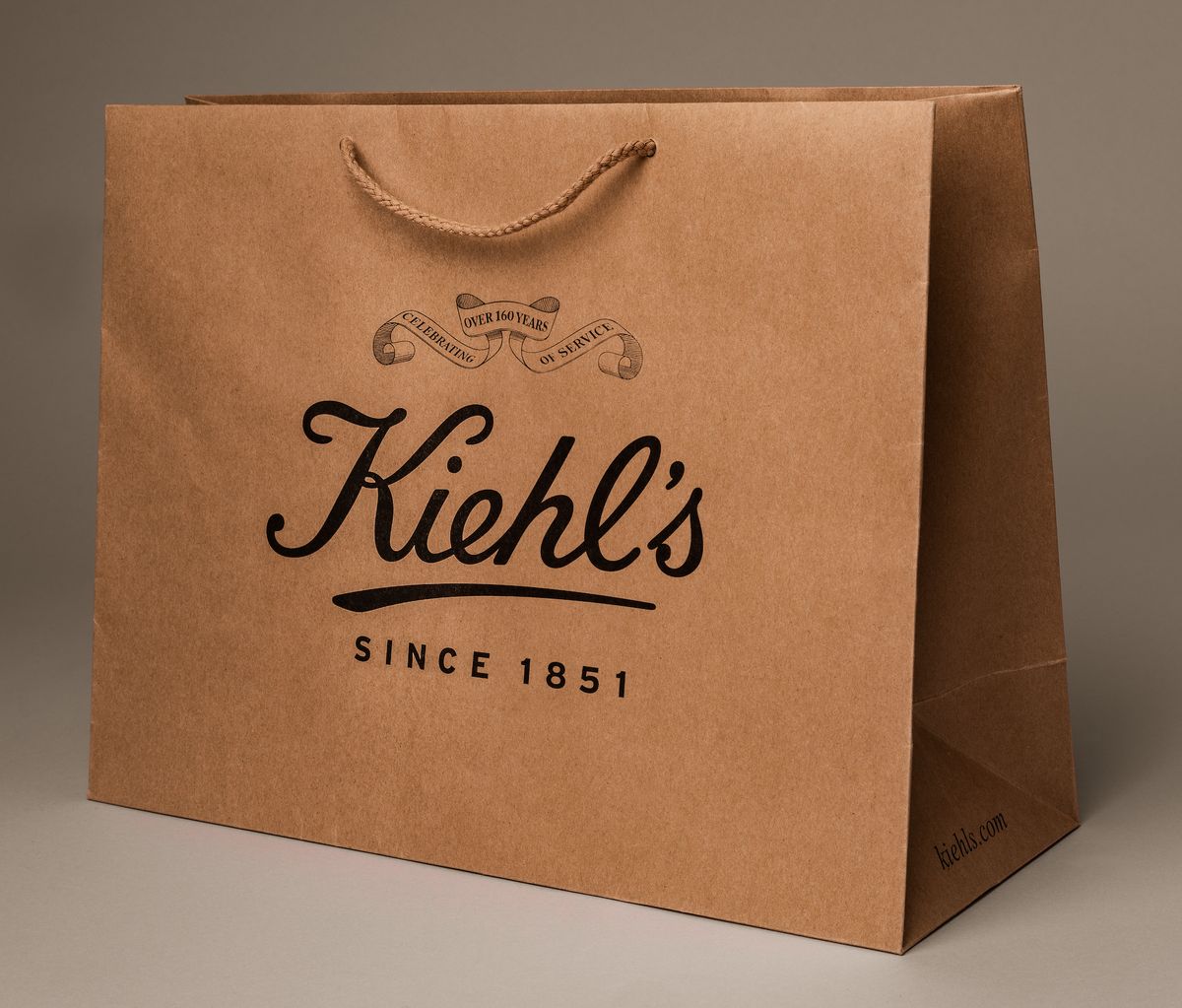
Fashion & Retail (Premium Kraft) — White kraft and specialty finishes are gaining traction among mid-market fashion and lifestyle brands. Pantone-matched printing with visible kraft texture, foil embossing combinations, and recycled content displayed as a marketing element.
E-Commerce & Fulfilment — Kraft bags are replacing polybag mailers as lightweight, recyclable outer mailers. Self-seal adhesive strips for automation, PE-free constructions for water resistance, and padded kraft mailers replacing bubble wrap. Integration with automated bagging lines at European logistics hubs.

Trends to Watch in 2026
Recycled Kraft Dominance — Buyers in Germany and Scandinavia now routinely specify 80–100% recycled fibre kraft. As PPWR mandates approach, this will become a baseline requirement.
Natural Kraft as a Design Statement — Uncoated brown kraft is embraced as a conscious aesthetic choice by brands communicating authenticity. Minimal print on natural kraft has become synonymous with transparency-led branding in Northern Europe.
Water-Based Barrier Coatings — Replacing conventional PE liners — which complicate recycling — with water-based or cellulose-based coatings is one of the most active R&D areas in 2026.
Digital Short-Run Printing — Now enabling economic runs of 250–1,000 units with photographic quality, opening the market to SMEs and pop-up brands.
Transparent Supply Chains — Procurement teams demand detailed supplier transparency: fibre origin, water consumption, carbon intensity per tonne, and facility audit reports. Blockchain-based traceability pilots are underway in Scandinavia and Germany.
Conclusion
Kraft paper bags are no longer just the environmentally responsible choice — they are the commercially smart choice for European buyers navigating tighter regulations, demanding consumers, and a supply chain in transformation. The kraft paper bag story in Europe is only just beginning.
Tags: Kraft Paper Bags · Sustainable Packaging Europe · Paper Bag Market 2026 · EU Packaging Regulation · FSC Certified Kraft
Post time: Apr-10-2026