


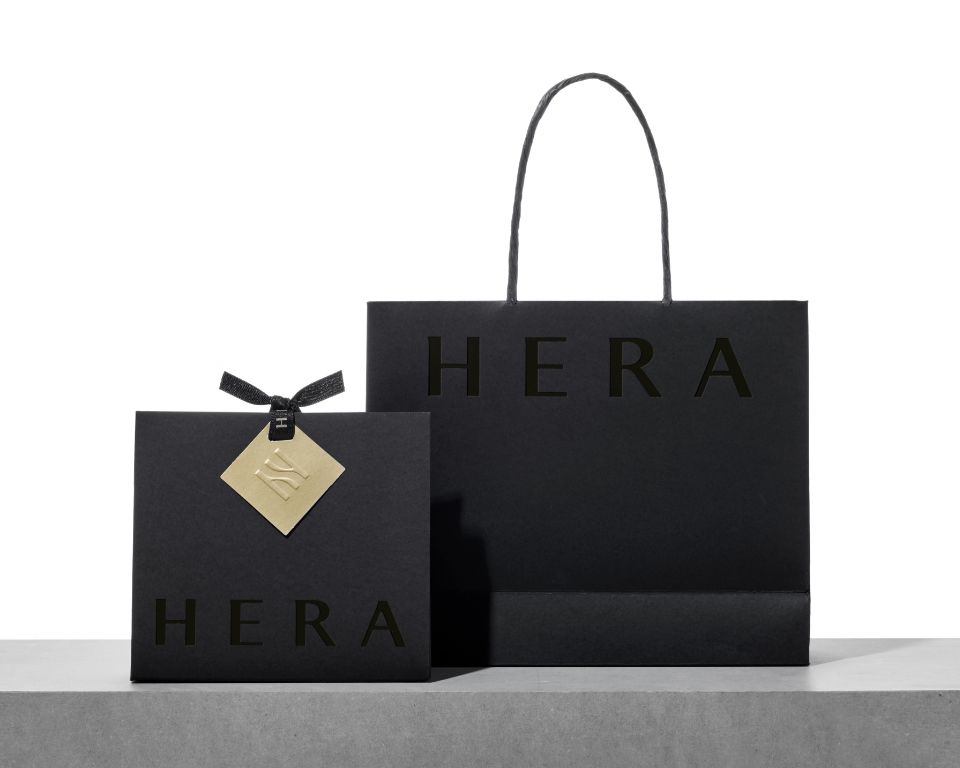
The global jewellery box packaging market was valued at USD 186.83 billion in 2025 and is forecast to reach USD 319.13 billion by 2035. Within this booming sector, jewelry paper bags have emerged as a fast-growing category — especially in Europe, where sustainability regulations and the rise of “conscious luxury” are reshaping procurement decisions.
The Shift from Rigid Boxes to Paper Bags
European jewelry brands are increasingly replacing traditional rigid boxes with premium paper bags for everyday purchases and gift-ready experiences. The drivers are clear: paper bags are lighter, more sustainable, and — when executed well — deliver an equally memorable unboxing moment.
Pandora’s full transition to recycled materials in 2024 set a benchmark for accessible luxury. Now, mid-market and independent jewelers across the UK, Germany, France and Italy are following suit, sourcing paper bags that balance premium aesthetics with genuine environmental credibility.
What Defines a Premium Jewelry Paper Bag
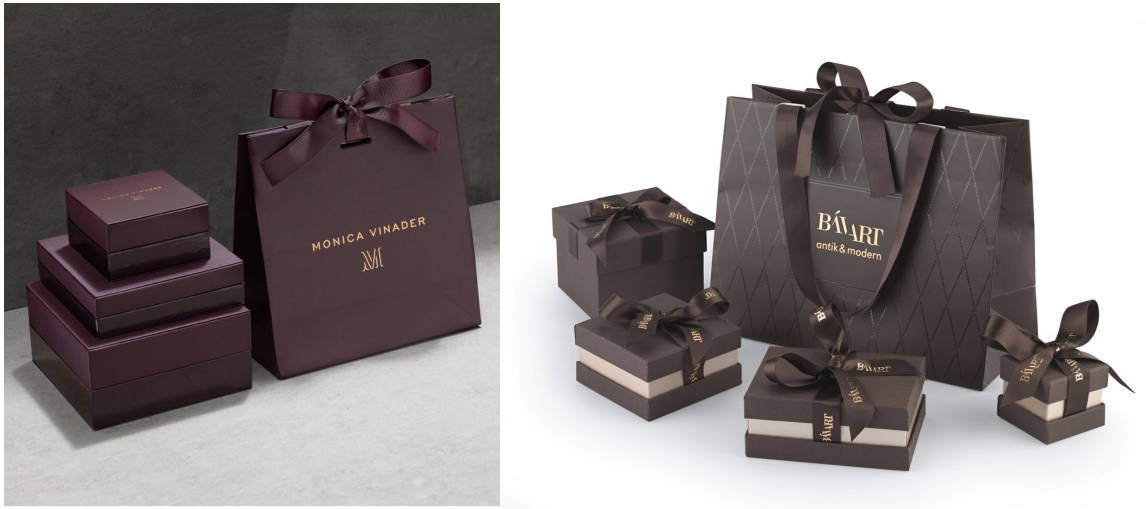
Material Quality — 120–170 gsm art paper or specialty textured stock. FSC®-certified paperboard with 30–65% post-consumer recycled (PCR) content is becoming the European standard. PCR adoption rates in jewelry packaging are projected to exceed 65% by end of 2026.
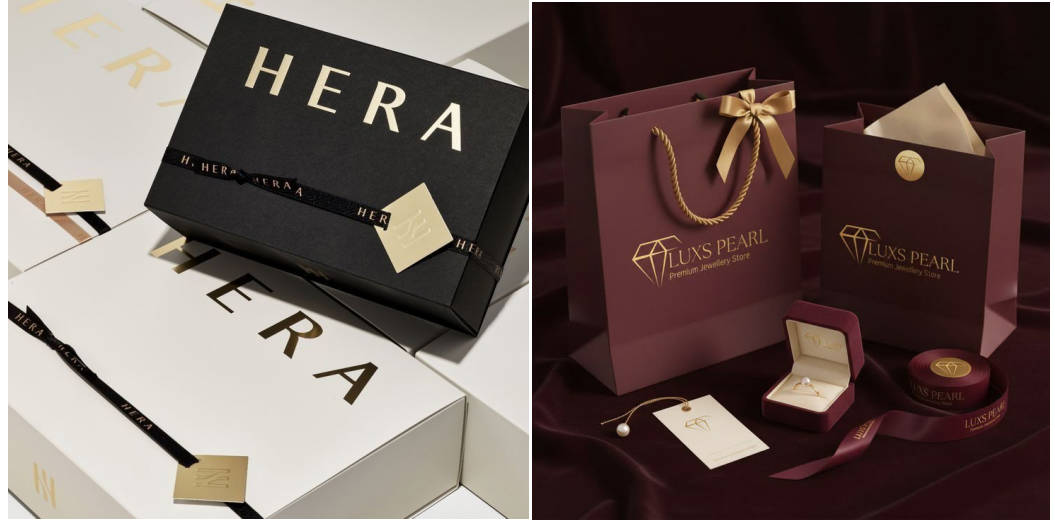
Finishing & Craftsmanship — Soft-touch lamination, hot foil stamping in gold or silver, blind embossing for an ink-free tactile effect, and ribbon or grosgrain handles. The trend is moving away from heavy gloss and excessive foil toward understated elegance.
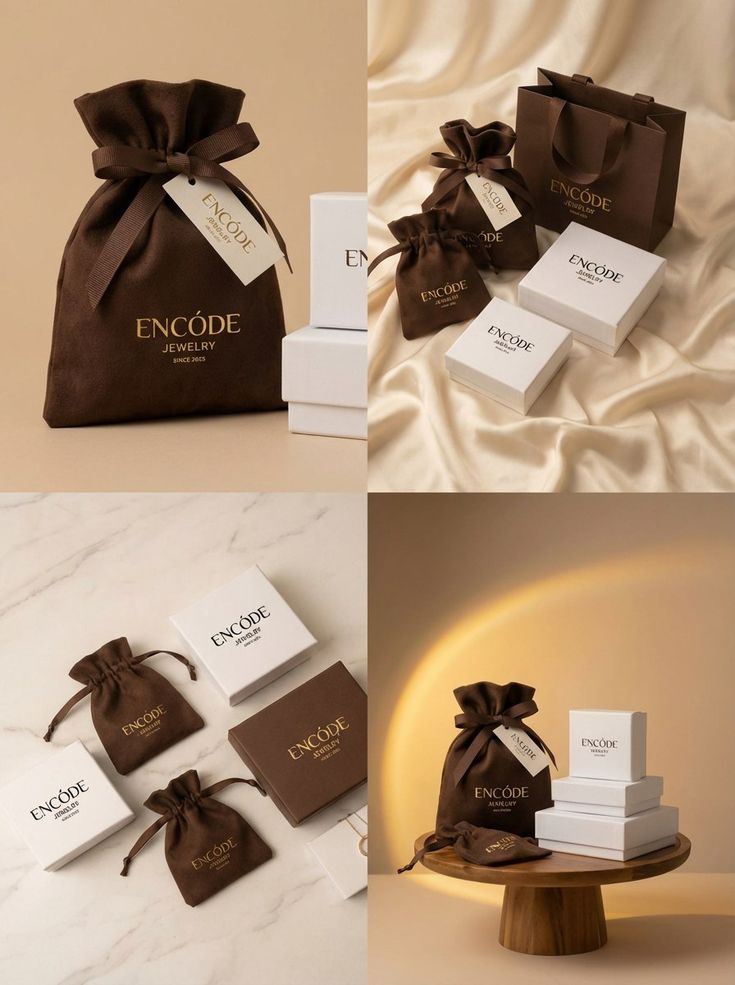
Colour & Aesthetics — “Sun-drenched neutrals” dominate in 2026: misty blue, slate grey, warm ivory. These tones convey warmth and sophistication without visual aggression, aligning with the sensory minimalism trend sweeping European luxury retail.
Structure — Reinforced flat-bottom construction with internal stiffener boards. Typical sizes range from 8×12 cm for single pieces to 20×28 cm for multi-item gift purchases. Magnetic closures and inner tissue paper inserts are popular finishing touches.
Sustainability: The Non-Negotiable Factor
Over 70% of European consumers are willing to pay a premium for sustainably packaged products. For jewelry paper bag procurement, this translates into specific requirements: FSC® or PEFC™ certification, water-based inks, glue-free or soy-adhesive assembly, and full recyclability of the finished bag.
The EU Packaging and Packaging Waste Regulation (PPWR) adds regulatory weight. By 2030, minimum recycled content mandates and recyclability thresholds will apply to all paper packaging — including jewelry bags. Buyers who invest in PCR-compliant suppliers now will avoid compliance disruption later.
Digital Integration: The New Frontier
NFC and QR code technology is penetrating the jewelry packaging sector rapidly, with an expected adoption rate exceeding 20% in the European high-end jewelry market by 2026. Embedded chips allow customers to access authenticity certificates, care instructions, AR try-on experiences, and brand storytelling — transforming a paper bag into an interactive brand portal.
Tiffany & Co. began AR trials in 2024, where scanning the iconic blue box triggered digital animations of the design process. Paper bags with similar digital capabilities are expected to drive a 20%+ increase in social media unboxing shares, amplifying brand reach at minimal marginal cost.
Conclusion
Jewelry paper bags in 2026 are far more than a protective carrier — they are a statement of brand values, a gateway to digital engagement, and a compliance tool in an increasingly regulated European market. For procurement professionals serving the European jewelry sector, the formula is clear: sustainable materials, refined finishing, digital integration, and credible certification. Those who act now will define the standard for years to come.
Tags: Jewelry Paper Bags · Luxury Packaging Europe · Sustainable Jewelry Packaging · NFC Packaging · FSC Certified
Post time: Apr-10-2026